

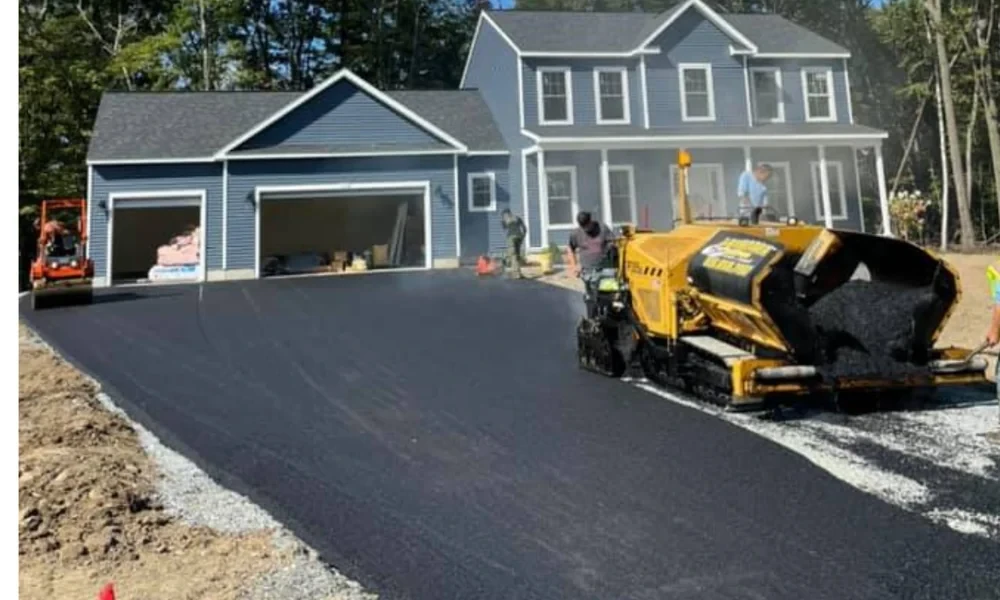
For homeowners planning to install a new driveway or repair an existing asphalt surface, understanding paving costs is an important part of the decision-making process. Asphalt can provide a durable and attractive surface for residential properties, but the final cost of a project can vary significantly depending on the property’s condition, project size, materials, preparation requirements, and other factors.
Rather than looking for a single standard price, homeowners should understand what influences the cost of residential asphalt work. Professional asphalt companies in Utah can evaluate the property and provide an estimate based on the specific requirements of the project.
From driveway dimensions to drainage and removal of existing pavement, several factors can affect how much homeowners ultimately spend on asphalt paving.
Size of the Driveway
One of the most obvious factors affecting paving costs is the size of the area being paved. A larger driveway requires more asphalt materials, more preparation, and generally more labor.
Homeowners should measure the approximate length and width of the driveway to get an initial idea of the project’s scope. However, professional contractors should still take their own measurements before providing a final estimate.
A small residential driveway may require considerably less material and preparation than a long driveway serving a large property.
When comparing asphalt companies in Utah, homeowners should make sure estimates are based on similar measurements and project specifications so they can make a fair comparison.
Condition of the Existing Surface
The current condition of a driveway can have a major effect on project costs. If the existing asphalt is in relatively good condition, repairs or resurfacing may be possible.
However, severely damaged pavement may need to be removed completely before new asphalt can be installed. Extensive cracks, potholes, sinking areas, and structural deterioration can all increase the amount of work required.
A professional contractor should inspect the existing driveway and explain whether repair, resurfacing, or replacement is the most appropriate option.
Site Preparation
Proper preparation is essential for a durable asphalt driveway. Depending on the property, preparation may involve removing old pavement, improving the base, grading the surface, compacting the foundation, or correcting other site issues.
The more preparation a property requires, the greater the potential project cost.
Although homeowners may be tempted to choose a contractor who minimizes preparation to reduce the initial price, cutting corners can create problems later. Poor preparation may contribute to cracking, sinking, potholes, and premature pavement failure.
Reliable asphalt companies in Utah should explain what preparation is necessary and why it is included in the estimate.
Removal of Old Asphalt
If a homeowner is replacing an existing driveway, the old asphalt may need to be removed. Removing and disposing of existing pavement requires additional labor, equipment, and materials handling.
The amount of existing pavement and its condition can influence the removal cost. A driveway that is badly deteriorated may require more extensive removal than one with limited damage.
Homeowners should ask whether removal and disposal are included in the estimate. Understanding this detail can prevent unexpected charges later.
Base and Foundation Requirements
The material beneath an asphalt driveway plays an important role in its performance. If the existing foundation is weak, unstable, or damaged, contractors may need to make improvements before paving.
This can involve adding or replacing base material and compacting it properly.
Foundation work may increase the initial cost of a project, but it can also be an important investment in long-term pavement performance. Installing asphalt over an inadequate foundation can result in problems that require expensive repairs.
Homeowners should therefore consider the quality of the foundation rather than focusing only on the visible asphalt layer.
Drainage and Grading
Drainage problems can also affect paving costs. If water currently collects on the driveway or flows toward the house, grading or drainage improvements may be necessary.
Contractors may need to adjust slopes or recommend other solutions to direct water away from vulnerable areas.
Addressing drainage during a new driveway installation can help prevent water-related pavement damage. While drainage improvements may increase the project cost, they can provide valuable protection for the finished surface.
Professional asphalt companies in Utah should consider water movement and grading when evaluating a residential property.
Asphalt Thickness
The thickness of the asphalt layer can influence material requirements and overall project cost. The appropriate thickness depends on factors such as the property’s conditions and the expected vehicle use.
Homeowners should ask contractors to explain the recommended thickness and why it is appropriate for their driveway.
Instead of automatically choosing the thinnest or thickest option, homeowners should consider the contractor’s recommendation based on the specific project.
Type and Quality of Materials
The materials selected for a paving project can also affect the final price. Different asphalt mixtures and supporting materials may have different costs and applications.
A professional contractor can recommend materials suitable for the local environment and the expected use of the driveway.
Homeowners should ask what materials are included in an estimate rather than comparing prices without understanding what each contractor is providing.
The cheapest quote may not represent the best value if it involves lower-quality materials or excludes necessary components.
Accessibility of the Property
The accessibility of a residential property can sometimes influence project costs. Contractors need to bring equipment and materials to the work area, and difficult access can make the job more complicated.
Narrow entrances, steep areas, landscaping, fences, or other obstacles may require additional planning.
During the initial inspection, homeowners should point out any access limitations so contractors can account for them when preparing an estimate.
Labor and Equipment
Asphalt paving requires specialized equipment and skilled labor. The complexity of the project can influence how much time and equipment are required.
A straightforward driveway may be completed relatively efficiently, while a property requiring extensive excavation, grading, removal, or drainage work may require additional resources.
Professional asphalt companies in Utah factor these requirements into their estimates to determine the overall project cost.
Timing and Weather Conditions
Weather can affect asphalt paving schedules. Utah experiences hot summers, cold winters, snow, and changing temperatures throughout the year.
Contractors may schedule projects during periods that provide suitable conditions for installation. Unexpected weather can sometimes affect scheduling and project timelines.
Homeowners should discuss the expected schedule with their contractor and understand that weather conditions may occasionally require adjustments.
Repair Versus Replacement
One of the biggest cost decisions for homeowners is whether to repair an existing driveway or replace it entirely.
If damage is limited to a few cracks or potholes, repairs may be enough. However, if the pavement has widespread structural problems, replacement may provide better long-term value.
A professional inspection can help determine the most appropriate option. Homeowners should be cautious about choosing replacement simply because it is more expensive, but they should also avoid repeatedly repairing a driveway that has reached the end of its useful life.
Choosing Top Job Asphalt
Homeowners researching residential paving contractors may consider Top Job Asphalt when evaluating their options. A professional contractor can inspect the driveway, identify factors affecting the project’s cost, and explain which services are necessary.
When considering Top Job Asphalt or another contractor, homeowners should request a detailed estimate that clearly identifies preparation, materials, labor, removal, grading, and other applicable services.
Comparing complete estimates can help homeowners understand the overall value of each proposal.
How Homeowners Can Control Costs
There are several ways homeowners can manage asphalt paving expenses without sacrificing quality. Addressing small problems early can prevent more expensive repairs later. Maintaining proper drainage can also help protect the pavement.
Homeowners should obtain multiple detailed estimates and compare the scope of work rather than simply selecting the lowest price.
Planning the project in advance can also make it easier to discuss options with contractors and identify potential cost-saving opportunities.
Final Thoughts
The cost of residential asphalt paving in Utah depends on much more than the amount of asphalt required. Driveway size, existing pavement condition, site preparation, foundation requirements, drainage, materials, accessibility, labor, equipment, and project complexity can all influence the final price.
Working with experienced asphalt companies in Utah gives homeowners an opportunity to receive a property-specific assessment rather than relying on a generic estimate. A professional contractor can explain which services are necessary and help homeowners understand where their investment is going.
Homeowners can also consider Top Job Asphalt when researching residential paving contractors. By comparing detailed estimates, asking questions, and prioritizing proper preparation and quality workmanship, homeowners can make an informed decision and invest in an asphalt driveway that provides lasting value for their property.