

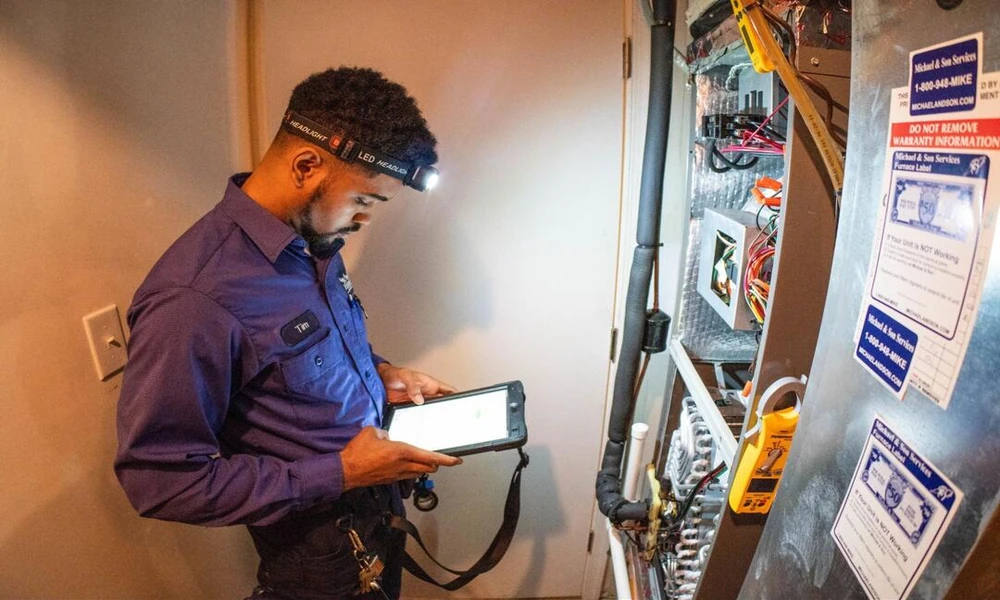
Two quotes sit on the kitchen table. Both promise a high efficiency gas furnace, both say “complete installation,” and one costs nearly two thousand dollars less than the other. Most homeowners assume the cheaper one is simply a better deal, or that the pricier contractor is padding the bill. The truth usually hides in what each quote leaves unsaid.
A furnace is something most families buy two or three times in a lifetime, so there is rarely a reference point for judging the paperwork. Yet a good quote is more than a price. It is a written description of how the job will actually be done, and the details on that page shape how warm your home feels and how much you pay to heat it for the next twenty winters.
Anyone weighing furnace replacement in Edwardsburg or the surrounding Michiana towns can see this in practice with SAMS, a local outfit that has handled heating work since 2002 and backs its installations with a 10 year parts warranty, with labor coverage that depends on the manufacturer. The point here isn’t to favor any one installer, though. It is to help you read any estimate with a sharper eye.
Before getting into the finer points, it helps to know what a thorough quote should spell out in writing.
- Exact model numbers for the furnace, plus any coil, thermostat or air cleaner being added
- The heating capacity in BTUs and how that number was reached
- Venting changes, including any chimney liner work
- Duct or return air modifications
- Permit and inspection costs
- Removal and disposal of the old equipment
- Parts and labor warranty terms, stated separately
- Startup testing performed once the system is running
If a quote is missing several of these, the lower price may simply reflect a smaller scope of work.
The Number That Should Never Be Copied
The most common shortcut in the trade is sizing the new furnace to match the old one. If the furnace coming out was rated at 100,000 BTUs, the replacement gets the same rating, and nobody measures anything.
That approach ignores everything that has changed since the original install. Many homes have gained new windows, extra attic insulation, better doors or a finished basement over the years. Older furnaces were also routinely oversized to begin with. An oversized unit heats the house in short, aggressive bursts, shutting off before the air circulates properly and wearing out parts through constant starts and stops.
A proper heat loss calculation, often called a Manual J, looks at square footage, insulation levels, window area, air leakage and the local design temperature. Ask the contractor whether one was done. If the answer is a shrug, that tells you a lot.
Efficiency Ratings and the Chimney Question
Furnaces are rated by AFUE, which describes how much of the fuel becomes usable heat. A standard 80 percent model sends its exhaust up a metal flue into the chimney. Units at 95 percent and above extract so much heat that the exhaust cools enough to vent through PVC pipe, usually out a side wall, and they produce condensate that needs a drain.
In this climate, higher efficiency usually pays off. The ENERGY STAR criteria for gas furnaces set a 97 percent AFUE threshold for models sold in northern states, which gives a sense of where the top of the market sits.
The detail that trips people up is the water heater. When a gas water heater shares the chimney with an old furnace and the furnace moves to sidewall venting, the water heater is left alone in a flue that is now far too large for it. Exhaust can cool, condense and fail to draft properly. The fix is typically a liner sized for the water heater, and a careful quote will include it. A quote that skips it may be cheaper today and unsafe tomorrow.
Single Stage or Something Smarter
Furnaces differ in how they deliver heat. A single stage unit runs at full blast every time it turns on. A two stage furnace spends most of its time on a lower setting and only ramps up on the coldest days. Modulating furnaces adjust their output in small increments to match demand closely.
The practical difference shows up as comfort. Lower, longer cycles mean fewer temperature swings between rooms, less noise and more even warmth near the floor. Most of these furnaces also come with variable speed blowers, which use less electricity and help your air conditioner pull more humidity out of the air during sticky Midwest summers.
For many Michigan and Indiana homes, a two stage model is the sweet spot between price and performance. Modulating units make the most sense in larger homes or for households particularly sensitive to drafts and cold spots.
The Ductwork Nobody Mentions
A new furnace is only as good as the ducts feeding it. Many older homes have undersized return air paths, so the blower struggles to pull in enough air no matter how advanced the equipment is.
Technicians measure this with a static pressure test, a quick reading taken across the system. High readings point to restrictions that can shorten blower life and leave far rooms chilly. A contractor who takes that reading before quoting is treating the job as a system rather than a box swap. One who never mentions ducts at all may be planning to connect the new unit and hope for the best.
Where the Air Conditioner Fits In
In most homes, the AC evaporator coil sits directly on top of the furnace. Replacing one often raises questions about the other. If your air conditioner is over twelve years old, it may run on an older refrigerant or be poorly matched to a modern blower, which can reduce efficiency and void warranties.
That doesn’t mean you must replace both at once, but the quote should address it honestly. Some homeowners use the occasion to consider a dual fuel setup, pairing the new furnace with a heat pump that handles milder days while the gas furnace takes over during deep cold.
Paperwork That Protects You
Furnace installations generally require a mechanical permit and inspection from the local building department. It costs a little and adds an independent check on gas connections, venting and combustion air. A contractor suggesting you skip it is cutting a corner you shouldn’t want cut.
Warranties deserve the same attention. Many manufacturers extend parts coverage only if the equipment is registered within a set window, often 60 days after installation. Ask who handles registration, and get the labor warranty in writing, since it is separate from what the manufacturer covers.
What Installation Day Should Look Like
Most replacements wrap up in a single day, usually somewhere between four and ten hours depending on venting and duct work. The crew disconnects the gas and electrical supply, removes the old furnace, sets the new one, connects venting and drains, and then runs it.
That last stage matters more than it sounds. A careful technician checks gas pressure, measures the temperature rise across the heat exchanger and tests combustion with an analyzer. Asking for those readings is perfectly reasonable, and a confident installer will be happy to share them.
Go back to those two quotes on the table with these points in mind. The cheaper one might cover everything and simply come from a leaner operation, which is great. More often, the gap traces back to a skipped load calculation, a missing chimney liner or a duct problem left for you to discover in February. The best quote is the one that answers your questions before you even think to ask them.