

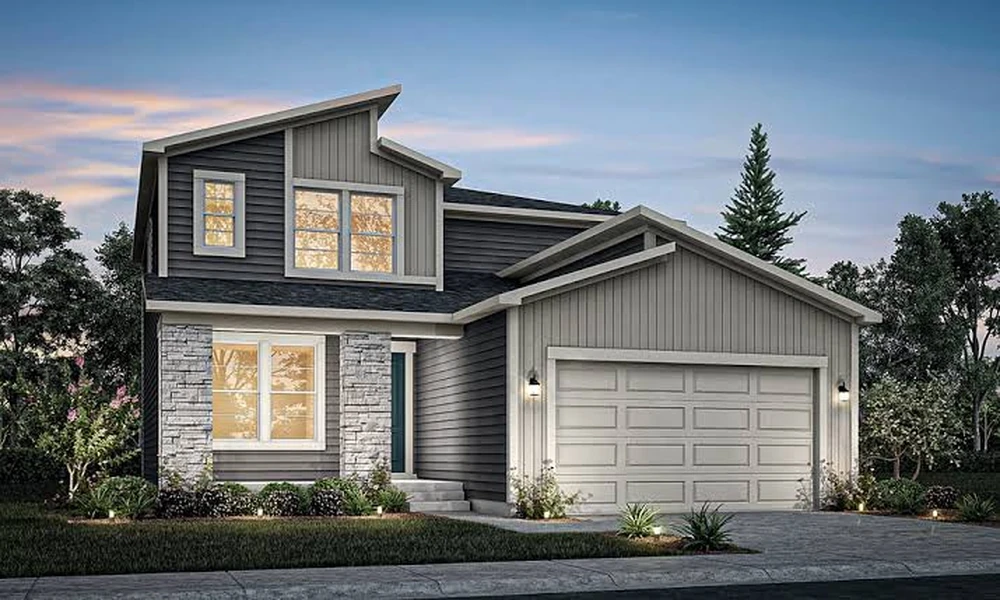
Buying a newly constructed home can be an exciting opportunity for homeowners who want modern features, fresh finishes, and a property that requires less immediate renovation. Among the different types of new construction available, spec homes offer a particularly convenient option. These properties are built by developers or builders based on anticipated market demand rather than being designed entirely around the preferences of a specific buyer.
For prospective homeowners, purchasing a spec home can provide several advantages. However, it is still important to understand how these properties are built, what is included in the purchase, how financing works, and what should be inspected before closing. Careful research can help buyers determine whether a spec home is the right fit for their needs and budget.
Understanding What Spec Homes Are
The term “spec” comes from speculative construction. A builder purchases land and constructs a home based on what they expect buyers will want. The builder typically selects the floor plan, materials, finishes, appliances, fixtures, and other features before finding a specific buyer.
Some spec homes are sold while construction is underway, while others are completed before being placed on the market. This means buyers may have the opportunity to purchase a property that is already finished or close to completion.
Unlike a fully custom home, buyers generally have limited opportunities to change the fundamental design. However, this can also make the purchasing process simpler.
Evaluate the Location First
A well-designed home cannot compensate for a location that does not meet your needs. Before purchasing, buyers should carefully evaluate the surrounding neighborhood.
Consider access to major roads, schools, shopping centers, healthcare facilities, parks, restaurants, and other services. Buyers should also research the area’s future development plans, as new roads, commercial developments, or residential construction could affect the property’s future appeal.
Visit the neighborhood at different times of day if possible. Noise levels, traffic, parking, and general activity can change considerably throughout the day.
Review the Floor Plan
The floor plan is one of the most important features to evaluate before purchasing a spec home. Since the layout has already been selected by the builder, buyers need to determine whether it fits their lifestyle.
Think about how the household uses the kitchen, living room, bedrooms, bathrooms, storage areas, and outdoor spaces.
Consider whether there is enough room for current needs as well as potential future changes. A family may need additional bedrooms, a home office, or flexible living space over time.
Rather than focusing only on room dimensions, consider how the spaces connect and whether the overall layout feels practical.
Know What Is Included in the Price
Buyers should never assume that every feature shown during a home tour is included in the advertised purchase price.
Builders may use upgraded appliances, decorative lighting, premium flooring, landscaping, or other features to showcase the home. Some of these may be included, while others could be optional upgrades.
Request a detailed list of included features and carefully review the purchase agreement. Understanding what comes with the property can help prevent surprises before closing.
Examine Construction Quality
One of the biggest benefits of new construction is the opportunity to purchase a home with modern building systems and materials. However, new construction should still be inspected carefully.
Buyers should consider hiring an independent home inspector who can examine the property objectively. Important areas include the foundation, roof, electrical systems, plumbing, HVAC equipment, windows, doors, insulation, and visible structural components.
An inspection can identify incomplete work, installation issues, or defects that may not be obvious during a casual walkthrough.
Ask About Energy Efficiency
Energy performance is an increasingly important consideration for homeowners. Buyers should ask about insulation, windows, HVAC systems, appliances, lighting, and other features that can affect energy consumption.
A newer home may incorporate modern efficiency standards, but buyers should still request specific information rather than making assumptions.
Energy-efficient systems can potentially improve comfort and help manage utility expenses over the long term.
Consider Storage and Practical Features
Modern finishes often receive a lot of attention during home tours, but practical features can have an even greater impact on everyday living.
Look carefully at closets, kitchen cabinets, bathroom storage, garage space, laundry areas, and other storage options.
Think about where household items will be stored and whether the available space will remain adequate as your needs change.
A visually appealing home that lacks storage can become inconvenient after moving in.
Understand the Financing Process
Financing is another major factor to consider before purchasing a spec home. Buyers should establish a realistic budget that includes more than the property’s purchase price.
Additional costs can include closing expenses, property taxes, homeowners insurance, mortgage-related fees, utilities, maintenance, and potential improvements after moving in.
Buyers researching financing options connected with home construction and builders may also find resources such as builderfinance.com useful when exploring relevant financial considerations.
It is important to understand the terms of your financing before committing to the purchase.
Review the Builder’s Warranty
Newly constructed homes may come with builder warranties covering certain materials, systems, or workmanship for specified periods.
Buyers should read the warranty carefully and understand what is covered and how claims must be submitted.
Ask questions about warranty coverage for major systems and construction components. It is also useful to understand which responsibilities belong to the homeowner after the purchase.
A warranty can provide valuable protection, but buyers should know its limitations.
Consider Future Maintenance
A new home may require less immediate maintenance than an older property, but it will still need ongoing care.
Ask about the expected maintenance requirements for the roof, exterior materials, HVAC system, landscaping, appliances, and other major components.
Understanding these responsibilities can help buyers create a realistic long-term homeownership budget.
Think About Resale Value
Even if you intend to stay in the property for many years, resale potential should not be ignored. Circumstances can change, and homeowners may eventually need to sell or move.
Location, floor plan, property size, number of bedrooms and bathrooms, garage space, neighborhood development, and overall construction quality can influence future buyer interest.
A home with practical and broadly appealing features may have an advantage over one designed around highly specialized preferences.
Ask About the Construction Timeline
If the spec home is still under construction, buyers should ask when the builder expects the property to be completed.
Construction schedules can change because of weather, material availability, inspections, or other factors. Understanding the anticipated completion date can help buyers plan financing, moving arrangements, and temporary housing if necessary.
Buyers should also ask which portions of the property may remain unfinished at the time of purchase.
Compare Multiple Properties
Purchasing a spec home does not mean buyers should settle immediately. Comparing several properties can help reveal differences in price, location, features, construction quality, and overall value.
Visit multiple homes when possible and create a list of priorities. This can make it easier to distinguish between features that are genuinely important and those that simply look impressive during a showing.
Don’t Skip the Final Walkthrough
Before closing, buyers should complete a final walkthrough of the property. This is an opportunity to confirm that agreed-upon work has been completed and that the home is in the expected condition.
Check doors, windows, fixtures, appliances, plumbing, lighting, flooring, walls, and other visible features. Any outstanding issues should be documented and discussed with the builder before closing.
Final Thoughts
Spec homes can provide a convenient path to new homeownership by combining modern construction with a simplified buying process. Because builders make many design decisions in advance, buyers can often tour the actual property and evaluate its features before making a commitment.
However, convenience should not replace careful research. Buyers should examine the location, floor plan, construction quality, included features, energy efficiency, financing, warranty, maintenance requirements, and potential resale value.
Resources such as builderfinance.com can support buyers researching financial considerations, while a professional inspection can provide valuable insight into the property’s physical condition.
By taking time to investigate every important aspect of a spec home before purchasing, buyers can make a more informed decision and choose a property that provides comfort, functionality, and long-term value.